Halvas simigdalenios
Semolina Halva- Yield
- One 10-inch Bundt halva (12 servings)
- Active
- 40 minutes
- Total
- 2 hours, including cooling
- Difficulty
- Medium
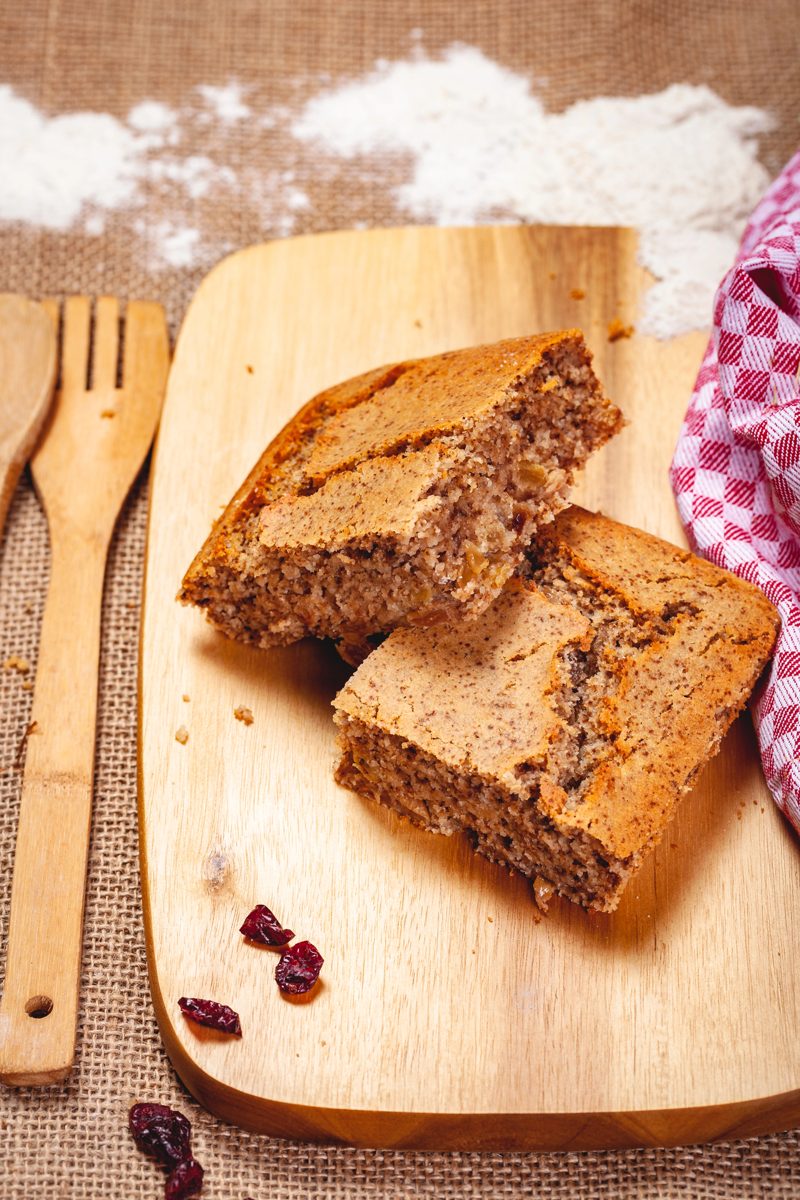
The story
Halvas simigdalenios, semolina halva, is a traditional sweet of Clean Monday, Kathara Deftera, the first day of Great Lent in the Orthodox calendar. The day falls 48 days before Easter; in 2027 that means Monday, March 15. It is a public holiday in Greece, devoted to spiritual and physical purification. Families spend it outdoors, fly kites, a custom said to symbolize the soul's ascent to the divine, and eat Lenten foods: lagana flatbread, taramosalata, olives, seafood and halva. Greeks traditionally avoid meat on Wednesdays and Fridays all year and throughout Great Lent, and halva has long been one of their fasting foods; it also turns up at paniyiria, the village festivals. In Greece halva is made in two main ways, from sesame or from semolina. The word itself goes back through Turkish to an Arabic root meaning sweet. The standard version is vegan, with no butter, milk or eggs. Coarse semolina is toasted golden in olive oil, then a spiced syrup is poured in and stirred until the mixture pulls away from the pot. Cooks remember the proportions as 1-2-3-4: one part oil, two parts semolina, three parts sugar, four parts water. Let it cool and firm before slicing; for a Clean Monday spread, make it the day before and unmold it cold.
Ingredients and method
The full recipe, with US and metric measures and stand-ins for hard-to-find ingredients, is part of the Winter Folk Dishes edition. Buy it once and keep the PDF.
Want to try first? Fasolada is free to cook.