Mona de Pascua
Mona de Pascua (Catalan & Valencian Easter Cake)- Yield
- 4 monas, each about 6 inches across (serves 8)
- Active
- 45 minutes
- Total
- About 4 hours, including 2 1/2 hours of rising
- Difficulty
- Medium
The story
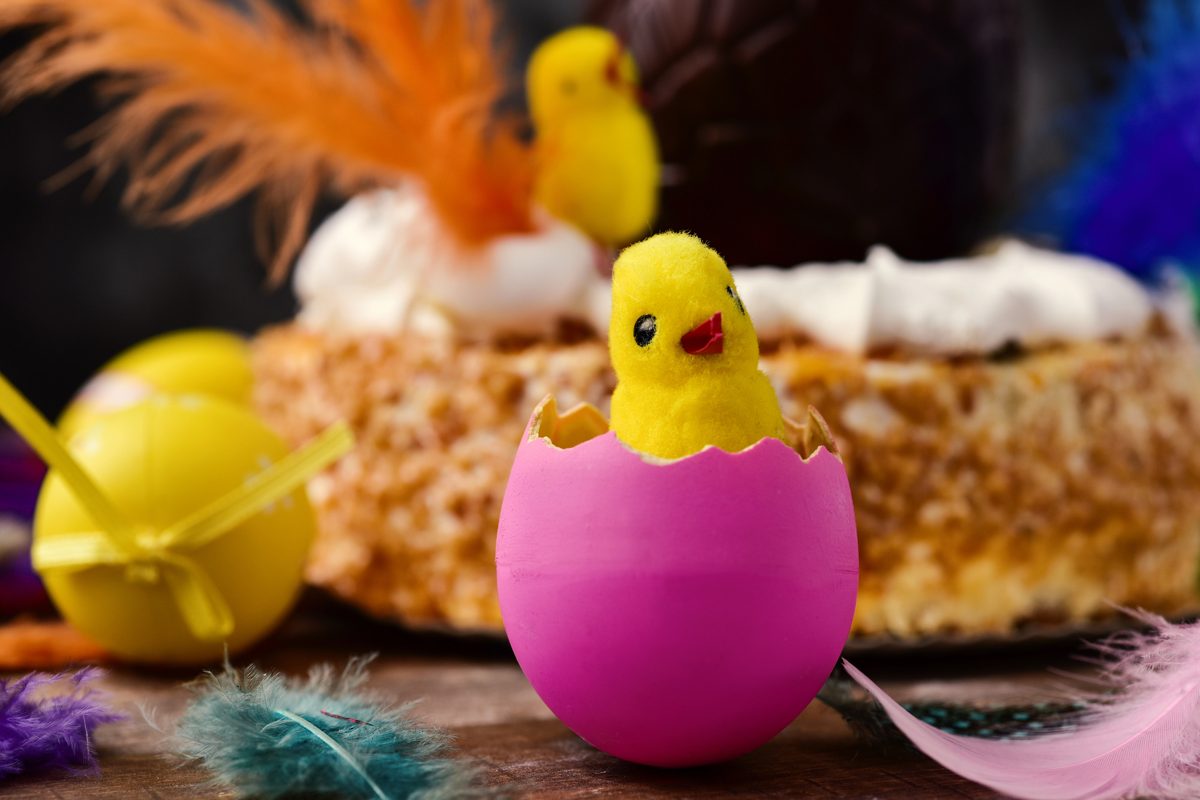
Mona de Pascua is the Easter sweet of Valencia, Murcia, Catalonia, Aragon and part of Castilla-La Mancha, and it marks the end of Lent and its abstinences. By custom, godparents give a mona to their godchildren on Easter Sunday after Mass, which in 2027 is March 28. On Easter Monday, March 29, families and groups of friends head to the countryside, beaches or parks to eat it, often with paella, longaniza de Pascua sausage, chocolate and kites; in Alicante province going out to eat the mona is close to a ritual. A favorite prank is cracking the hard-boiled egg on someone else's forehead. Valencian writers explain that boiled eggs were used because fresh eggs were forbidden during Lent. The name probably comes from the Hispanic Arabic word máwna, meaning provisions, and the first written mention of a mona dates to the 15th century. In Valencia it is a soft, orange-scented bun shaped as a round, ring, braid or animal and topped with a dyed egg and colored anise comfits. In modern Catalonia the mona has become a sponge cake crowned with chocolate figures. Bake the monas on Saturday and pack them whole for an Easter Monday picnic.
Ingredients and method
The full recipe, with US and metric measures and stand-ins for hard-to-find ingredients, is part of the Easter edition. Buy it once and keep the PDF.
Want to try first? Torrijas is free to cook.